

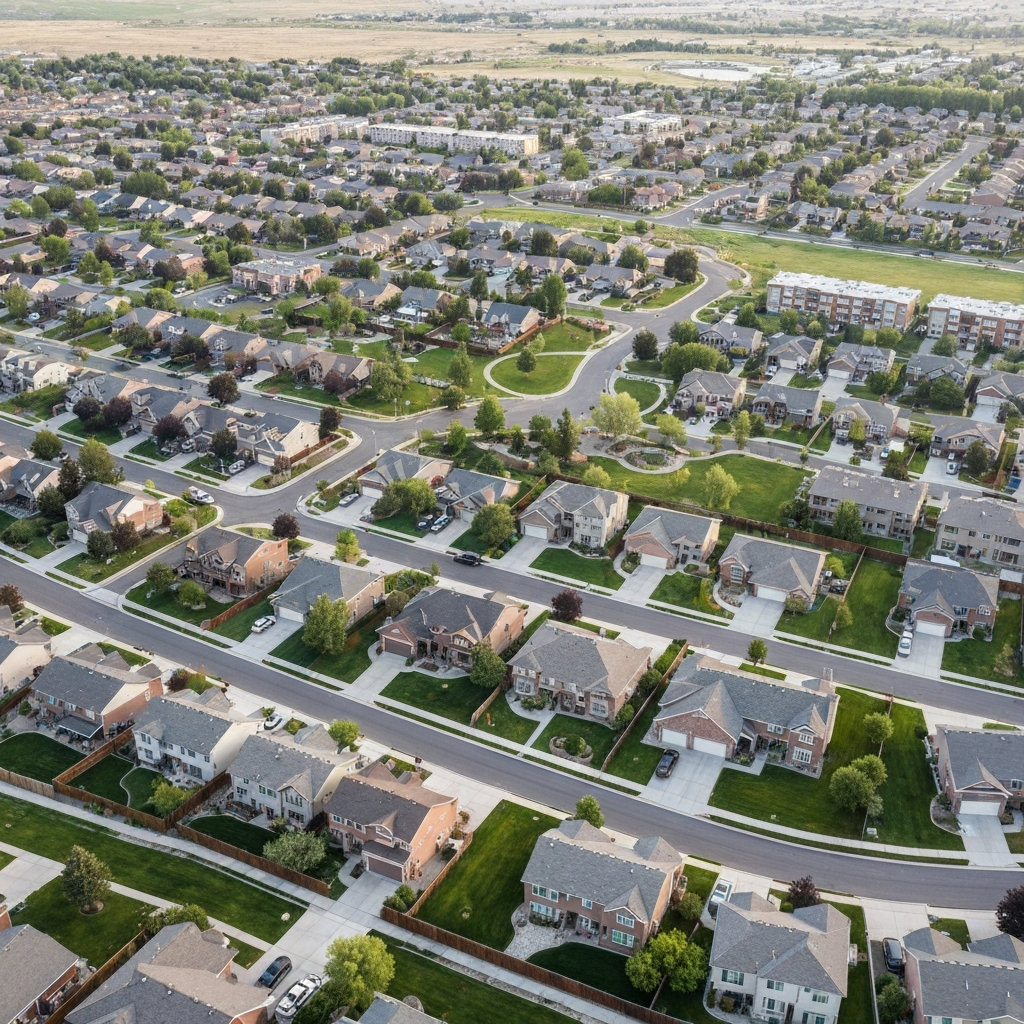
West Jordan, Utah, continues to experience dynamic changes in its housing market, reflecting broader regional trends and local development efforts.
Current Housing Market Trends
As of March 2026, the median sale price for homes in West Jordan reached $520,000, marking a 3.7% increase from the previous year. Homes are selling faster, with an average of 32 days on the market compared to 35 days last year. Additionally, the number of homes sold in March rose to 95, up from 86 in the same month last year.
Rental Market Insights
The rental market in West Jordan remains competitive. As of March 31, 2026, the average rent is $1,632, slightly below the national average of $1,910. This represents a modest year-over-year decrease of 0.2%.
Local Development Initiatives
To address housing affordability and promote balanced growth, West Jordan has implemented several initiatives:
- Down Payment Assistance Program: This program offers loans up to $7,500 to assist low- and moderate-income individuals with down payments and closing costs. Eligible homebuyers must meet income requirements and commit to residing in the home for at least five years, after which the loan is forgiven.
- Housing Rehabilitation Program: Homeowners can access low-interest loans to renovate existing homes, ensuring they meet the Department of Housing & Urban Development’s Minimum Property Standards. Seniors and disabled individuals may qualify for 0% interest deferred loans, with repayment deferred until the home is sold.
- Senior Housing Developments: The city has developed senior housing projects, such as the West Jordan Senior Housing, offering 65 one-bedroom units for residents aged 62 and older. Amenities include laundry facilities, a craft/exercise room, library, and proximity to community centers and public transportation.
Furthermore, West Jordan has adopted zoning laws to encourage higher-density housing in commercial zones. The Residential Overlay District (ROD) aims to:
- Promote pedestrian activity and reduce vehicle miles traveled.
- Facilitate redevelopment in areas with existing infrastructure.
- Encourage innovative and sustainable development practices.
Currently, over 3,000 residential units are approved and in various stages of development within the city, including 618 single-family homes and 2,536 multifamily units.
Conclusion
West Jordan’s housing market is characterized by rising home prices, a competitive rental landscape, and proactive development strategies aimed at fostering balanced growth and affordability. Prospective buyers and renters are encouraged to explore available programs and stay informed about ongoing developments to make well-informed decisions in this evolving market.